Choosing new countertops is one of the most exciting parts of a kitchen or bathroom remodel, but it is also one of the most overwhelming. With so many materials, colors and finishes available, homeowners often find themselves torn between granite, quartz and marble and wonder which is the best countertop material.
But there is no “best” when it comes to countertop materials. The right choice depends on how you use your space, how much maintenance you are comfortable with and the look you want to achieve. Knowing how granite, quartz, and marble differ can help you feel confident about your decision and ensure your new countertops fit both your design preferences and your lifestyle.
Engineered vs. Natural Stone
Before comparing countertop material options, it helps to understand the difference between natural stone and engineered stone.
Natural stone countertops are quarried directly from the earth and cut into slabs. Because they are formed by nature, no two slabs are exactly alike. Granite and marble both fall into this category.
Engineered stone countertops, such as quartz, are manufactured by combining natural quartz with resins and pigments. This process creates a durable, nonporous surface with more consistent coloring and patterning.
This difference plays an important role in how each material looks, performs and is maintained over time.
Granite Countertops: Durable and Naturally Unique
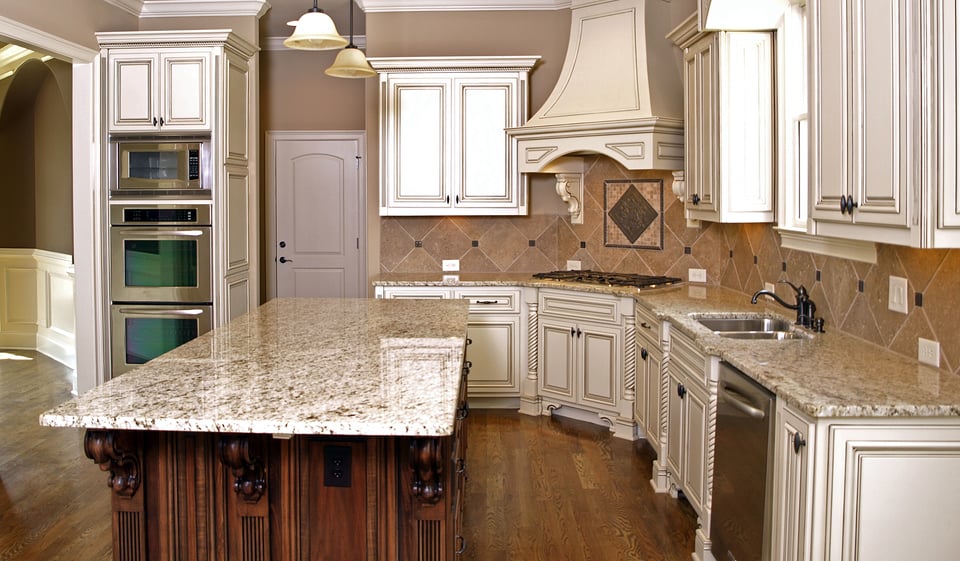
Granite is a natural stone formed from cooled magma deep within the Earth. It is quarried in large blocks, sliced into slabs and polished for use in residential spaces. Every slab features its own combination of minerals, colors and movement, making it a perennial favorite.
Benefits of Granite Countertops
- Excellent durability: Granite stands up well to everyday wear and tear.
- Heat resistance: Hot pans are less likely to cause damage compared to some engineered materials.
- Natural beauty: Each slab is one of a kind, with unique veining and color variation.
- Strong resale appeal: Granite is widely recognized and valued by homebuyers.
Considerations
- Granite is porous, requiring periodic sealing to help prevent stains.
- Natural variation means the slab you choose may look different from small samples.
- Seams may be visible depending on layout and slab size.
Best For
Granite is a great choice for busy kitchens and households that want a natural look paired with long-term durability.
Marble Countertops: Timeless Beauty With Extra Care
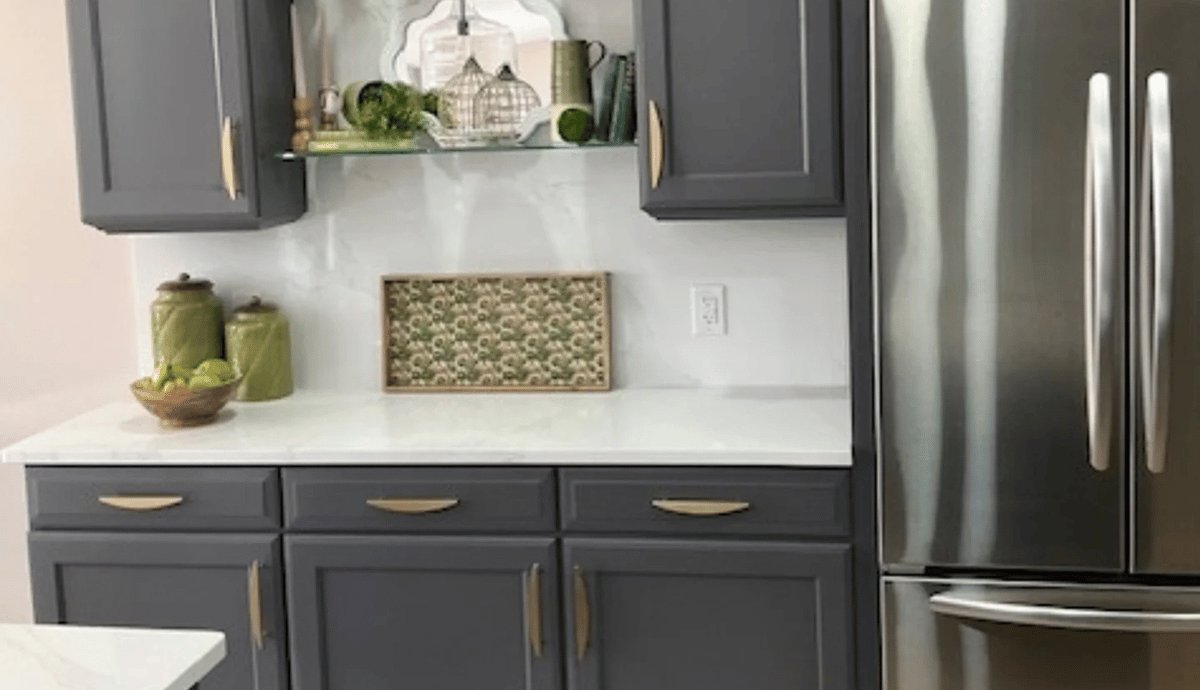
Another natural stone choice is marble, which is formed under intense heat and pressure, resulting in its signature veining and smooth appearance. Lighter in color, with soft movement, marble has been used in architecture and design for centuries.
Benefits of Marble Countertops
- Elegant, upscale appearance: Marble offers a timeless, luxurious look.
- Naturally cool surface: Ideal for baking and pastry preparation.
- Design impact: Adds visual sophistication to kitchens and bathrooms.
Considerations
- Marble is softer and more porous than granite.
- It can etch or stain more easily, especially when exposed to acidic substances.
- Regular sealing and mindful use are important for maintaining its appearance.
Best For
Marble works well in bathrooms, baking stations or kitchens where visual appeal is the top priority, and wear is more controlled.
Quartz Countertops: Consistent and Low Maintenance
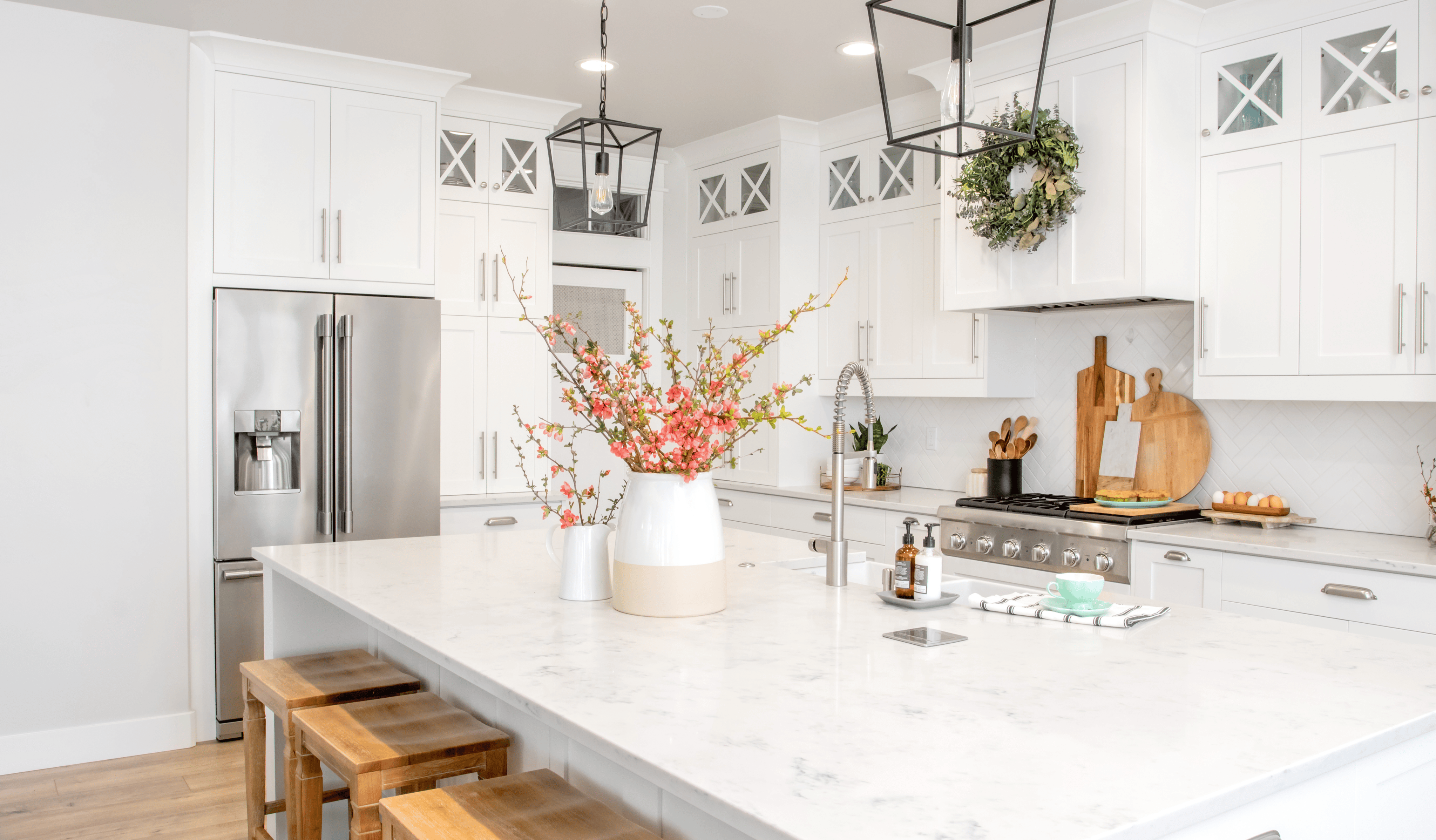
Unlike natural stone options like granite and marble, quartz offers a manufactured surface designed for consistency and minimal upkeep. Quartz countertops are engineered using crushed natural quartz combined with binding resins and pigments. This manufacturing process allows for a wide range of colors and patterns, including designs that resemble natural stone.
Benefits of Quartz Countertops
- Nonporous surface: Quartz resists stains and bacteria without sealing.
- Low maintenance: Simple cleaning with soap and water is typically enough.
- Consistent appearance: Colors and patterns are uniform across slabs.
- Design versatility: Available in a broad range of styles, from subtle to bold.
Considerations
Quartz is not as heat resistant as natural stone and can be damaged by excessive heat.
Because it is manufactured, it lacks the one-of-a-kind variation found in granite or marble.
Best For
Quartz is ideal for homeowners who want easy care, predictable aesthetics and a surface that holds up well to everyday use.
Granite vs. Quartz vs. Marble: A Quick Comparison
| Granite | Marble | Quartz | |
| Material Type | Natural stone | Natural stone | Engineered stone |
| Appearance | Unique, natural variation | Soft veining, elegant | Consistent, uniform patterns |
| Durability | Very durable | Softer than granite | Durable |
| Maintenance | Periodic sealing | Requires regular care | Low maintenance |
| Heat Resistance | High | Moderate | Moderate |
| Best Uses | Busy kitchens | Baths, baking areas | Family kitchens, baths |
Explore Engineered and Natural Stone Countertop Options With Tower
Tower Countertops helps Northeast Ohio homeowners compare engineered and stone countertop material options with confidence. Whether you are remodeling a kitchen, updating a bathroom or building a new home, Tower’s team helps you compare materials, understand tradeoffs and choose a solution that fits your lifestyle and budget. Contact us to discuss the best material for your project.